Gravel Driveway Renovation Done Right - Start to Finish
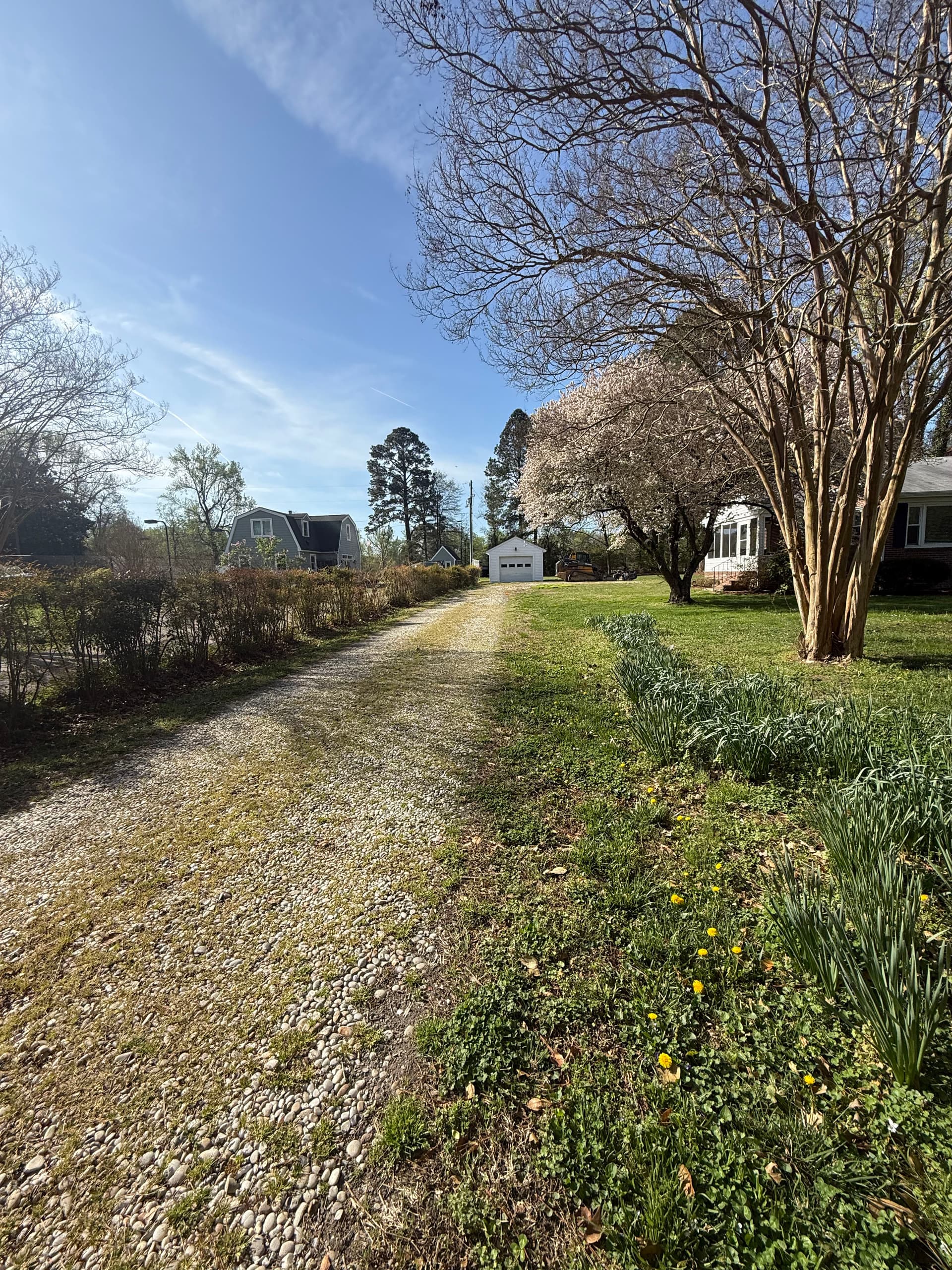
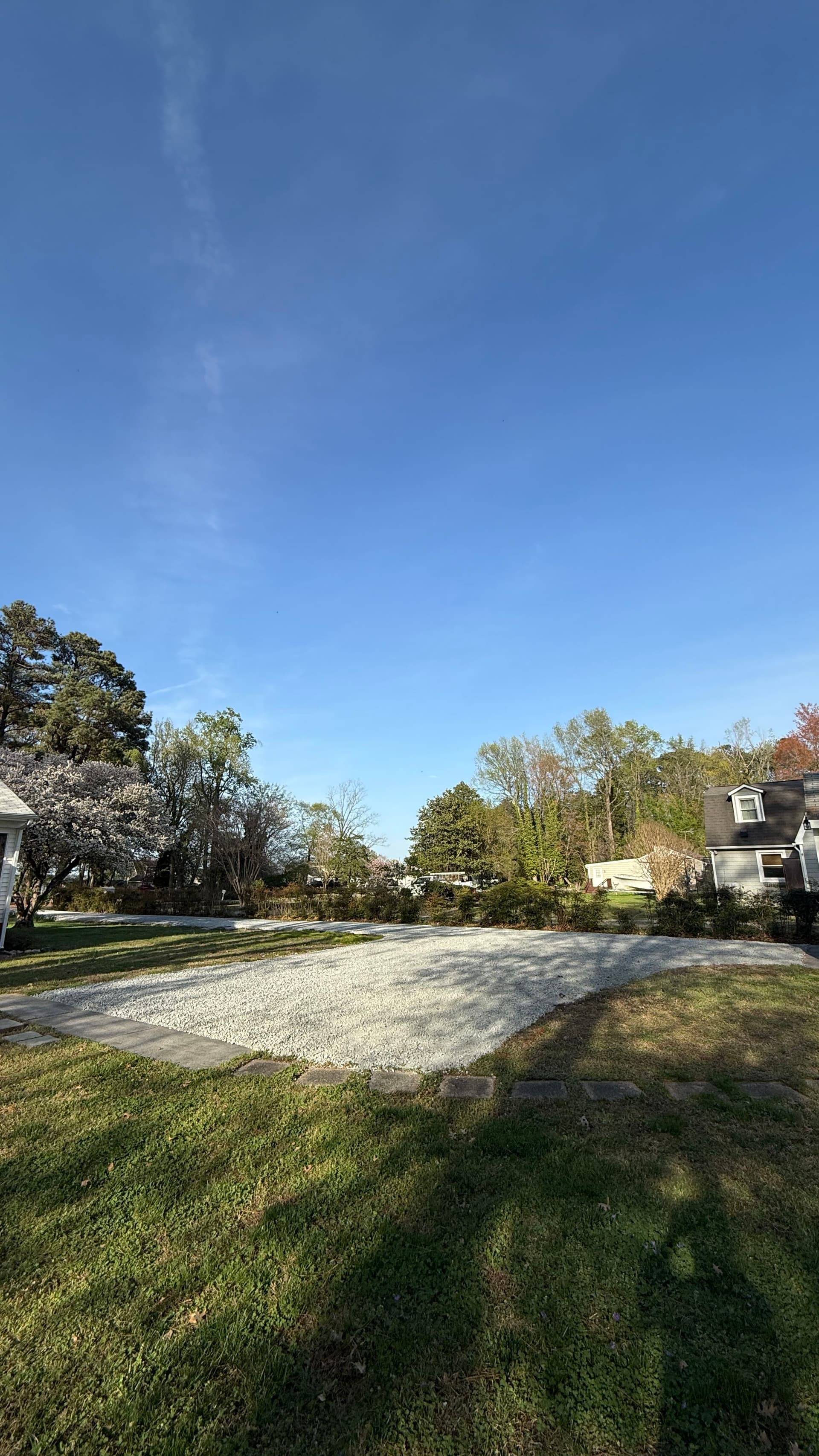
A gravel driveway that hasn't been touched in years doesn't just look rough - it drains poorly, holds water in the wrong places, and breaks down faster with every rain. That's exactly what we were working with here. Uneven surface, drainage issues, and stone that had seen better days.
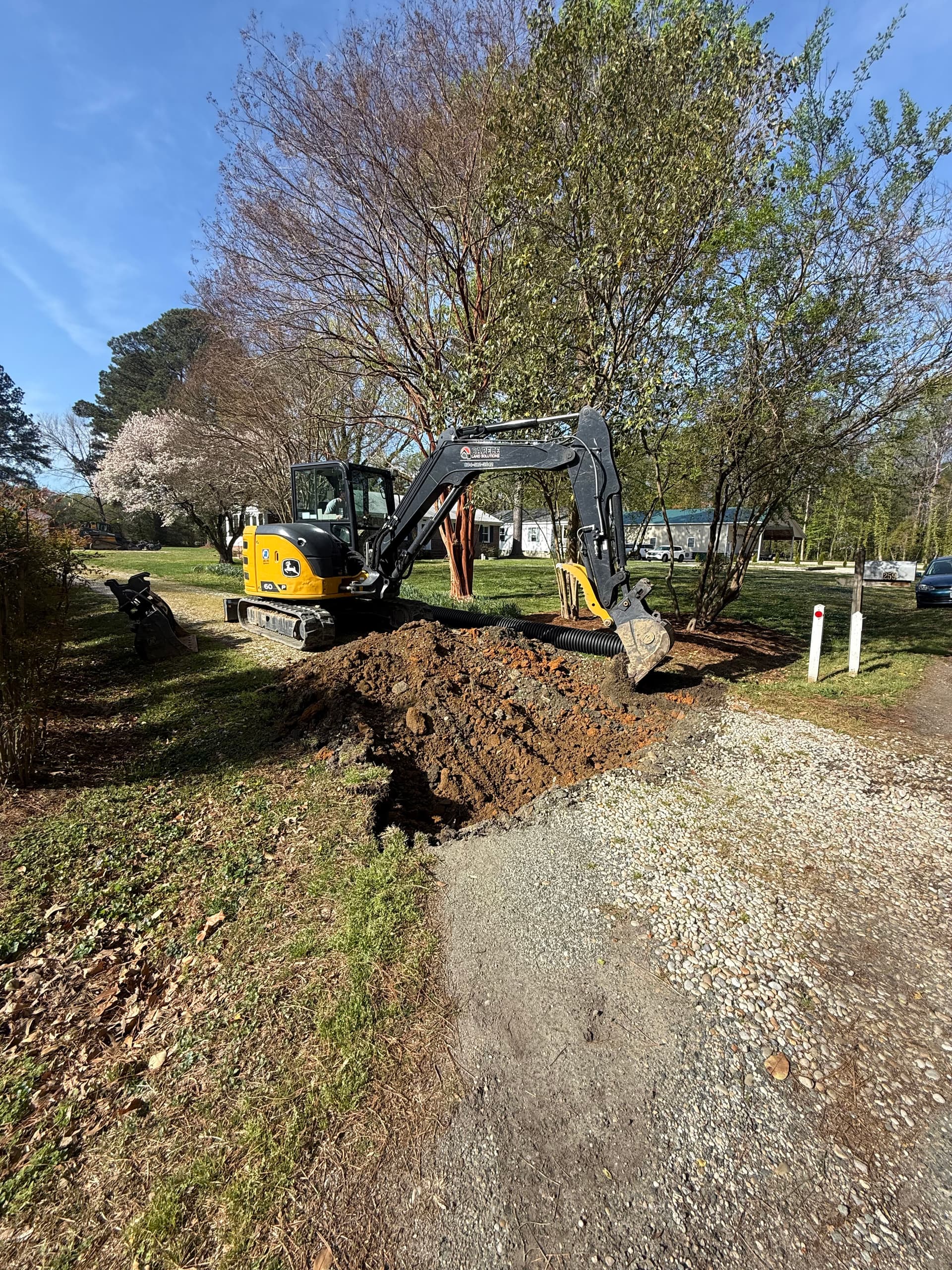
The first step was getting the grade right. We used our mini excavator to dig in and set the foundation for a new culvert, which is the part most people skip - and the part that causes the most headaches down the road. Without proper drainage underneath, it doesn't matter how much fresh stone you put on top. It'll wash out, settle wrong, and you'll be back to square one.
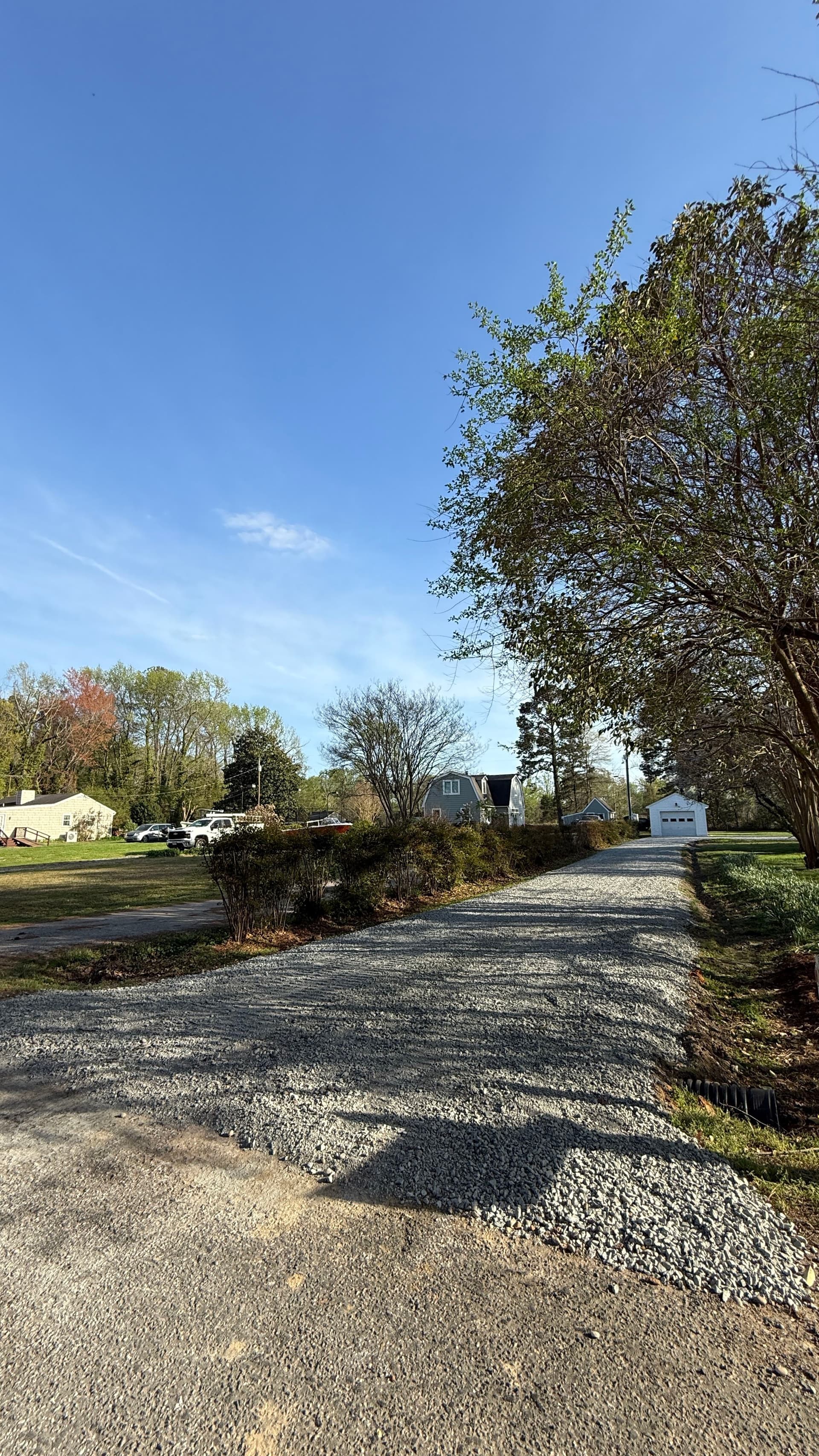
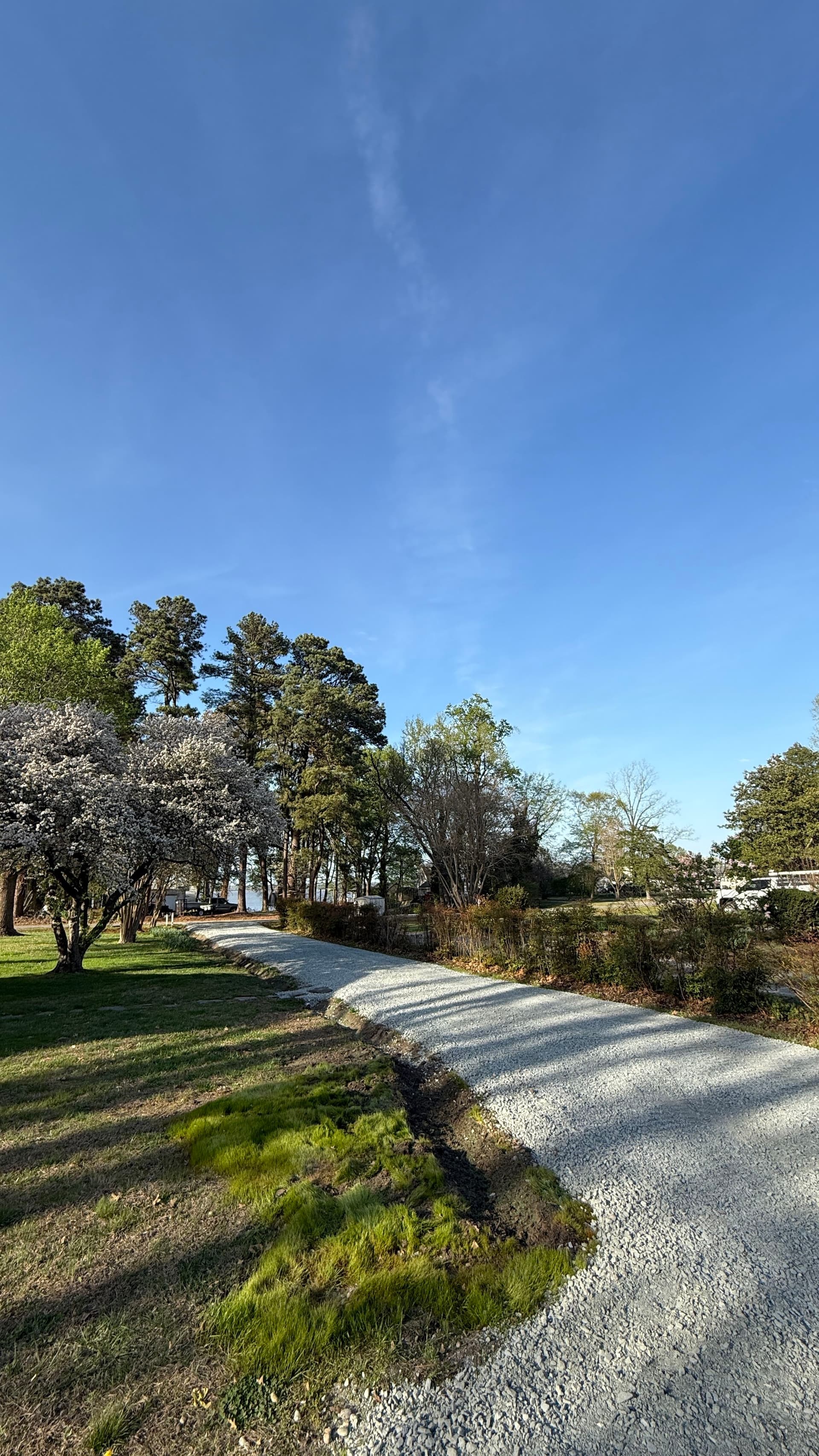
Once the culvert was in and the existing driveway was graded and leveled, we brought in fresh stone and spread it clean across the full length of the drive. The difference between a driveway that was graded properly before the stone went down versus one that wasn't is night and day. You get even coverage, better water runoff, and a surface that actually holds up.
What we ended up with is a driveway that's solid from edge to edge. Clean crowned surface, good drainage, and fresh stone that sits right because the base work was done correctly. That's the whole job - not just the cosmetic part on top, but everything underneath that makes it last.
Gravel driveway maintenance isn't complicated, but it does require the right equipment and the right sequence. Grade first, address drainage second, then stone. Get that order wrong and you're wasting material and money. We've done enough of these to know where the shortcuts hurt you - so we just don't take them.